





Workshop 5: Enabling Regulatory Environment for Genome Editing in Agriculture in South Korea – Opportunities and Possibilities
-
September 15, 2026-September 16, 2026
Hotel Interciti
Daejeon, South Korea
-

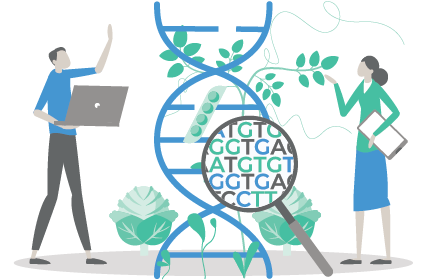
The Agriculture & Food Systems Institute (AFSI) organized the fifth workshop in the series on Gene Edited Plants: Context and Communication for Plant Breeding Innovation on September 15-16, 2026 at Hotel Interciti in Daejeon, South Korea. “Enabling Regulatory Environment for Genome Editing in Agriculture in South Korea: Opportunities and Possibilities” aimed to improve dialogue between South Korean government officials, scientists, and other stakeholders, and to enable effective communication on issues related to new plant breeding technologies. Supported by a grant from the United States Department of Agriculture Foreign Agricultural Service (USDA FAS), this event brought together a diverse set of stakeholders in agricultural biotechnology.
This in-person workshop built on the success of the fourth workshop, held in person on December 10-11, 2024, and continued discussions on international trade, an enabling policy environment, and market access for genome edited products in South Korea. It fostered a science-based and transparent exchange of ideas around the regulation of genome edited agricultural products, and also addressed consumer trust and the social considerations related to genome editing. Audiences for this workshop included scientists and experts from the government, private sector, academia, Korea Biosafety Clearinghouse, other public sector institutions, law firms, and scientific organizations involved in policy discussions in the country.
Program
Overview
Spanning two days, this workshop was divided into four technical sessions:
Technical Session I: Genome Editing in the Context of Agriculture, Trade, and Food Security
The first session set the context for the workshop. Presenters discussed the role of biotechnology in general, and genome editing in particular, in addressing the challenges facing modern agriculture, with a focus on strengthening food security and creating sustainable farming systems. These challenges are especially noteworthy in South Korea’s context, which depends on imports for most of its food and feed grains and has made food security, seed-industry competitiveness, and biotechnology innovation national policy priorities. Genome editing offers South Korea a means to accelerate the development of resilient, higher-value crops at home, and as a major grain importer, the country has a direct stake in how these products are regulated across exporting countries. Differing approaches to regulating genome edited products could create impediments to market access and potentially affect agricultural supply chains globally. Discussions centered on the sound policies, enabling regulatory environment, regulatory cooperation, and transparency needed to realize the benefits of genome editing, minimize trade disruptions, and support innovation.
Technical Session II: The State of Research and Development in Genome Editing
The second session brought together Korean developers and multinational companies to discuss advances in sophisticated plant breeding techniques, such as genome editing, and their role in addressing modern agricultural challenges. Korean researchers have been at the forefront of genome editing science, and a growing ecosystem of domestic startups and public breeding programs is applying this suite of tools to crops ranging from nutrient-enhanced tomatoes and sweet potatoes to virus-resistant vegetables, even as pathways to commercialization remain unsettled. This session highlighted the products of genome editing at different stages of development and commercialization in South Korea and internationally, including approaches designed with regulatory considerations in mind from the outset. The science behind the creation of these products was presented to better situate genome editing and related technologies in the context of traditional plant breeding, and to illustrate what Korean innovators could bring to market under an enabling policy environment.
Technical Session III: Social Communication in Adopting Innovative Technologies
The third session considered the factors that matter in adopting (or not adopting) new plant breeding techniques, and the benefits these technologies offer, both in addressing challenges in agriculture in the wake of extreme environmental events, and in the broad range of crops and traits they can deliver to farmers and consumers. Speakers examined what is known about consumer trust and the social acceptance of genome editing in South Korea and internationally, drew lessons from past science communication successes and failures, including South Korea’s own experience with prolonged food safety controversies, and discussed the roles of scientists, government, media, and civil society in fostering an informed public conversation. Experiences from other regions illustrated how engagement with farmers and end users can shape the trajectory of technology adoption.
Technical Session IV: Global Regulatory Landscape for Genome Edited Plants and Policy Environment in South Korea
The final session focused on developments in the regulation of genome editing around the world. Discussions centered on the thinking and process behind expedited pathways to commercialization for genome edited products. Similarities and differences in the approaches that countries have taken to handling and regulating genome edited organisms, including the criteria and processes behind expedited pathways to commercialization for products that could have been obtained through conventional breeding, were presented. A growing number of South Korea’s trading partners and regional peers across the Americas, Asia, and the Pacific now exempt certain genome edited products from GMO-specific regulation. In South Korea, genome edited organisms currently fall within the scope of the Act on Transboundary Movements of Living Modified Organisms, and legislative proposals to establish a distinct, risk-proportionate pathway remain under consideration in the National Assembly. Presenters examined the status and possible future directions of South Korean policy, and the implications of regulatory asynchrony for a nation that is both a significant innovator in genome editing science and one of the world’s largest grain importers, including through the illustrative case of genome edited wheat.
Background
Supported by the United States Department of Agriculture Foreign Agriculture Service (USDA FAS) and CropLife International, AFSI organized four preceding technical events under this series:
- Workshop 1, held virtually on April 22, 2021, introduced gene editing and featured presentations on the science, regulatory landscape, and communication.
- Workshop 2, held virtually from July 19-23, 2021, allowed discussions among South Korean stakeholders to continue over the course of one week and focused on improving their understanding of the technology and varying approaches to regulating the products of gene editing.
- Workshop 3, held in person on July 25-26, 2022 at the Plaza Hotel in Seoul, covered key concepts in problem formulation, Codex principles, the basics of food and feed safety assessment for whole foods, and the application of safety assessment concepts to products of gene editing.
- Workshop 4, held in person on December 10-11, 2024 at Hotel Interciti in Daejeon, covered products of genome editing at various stages of development worldwide and in South Korea, global regulatory approaches to genome edited organisms, socioeconomic factors in technology adoption, and intellectual property considerations for plant varieties.
Agenda - Day 1
Tuesday, September 15, 2026 | 9:30 am – 4:50 pm (KST)
| Time | Title/Activity | Presenter/Lead | |
| Opening Session | |||
| 9:30 am | Registration | ||
| 10:00 am | Welcome and Introduction | Dr. Andrew F. Roberts Chief Executive Officer Agriculture & Food Systems Institute (AFSI) USA |
|
| 10:10 am | Opening Remarks | Dr. Myung-Ja Kim Advisor, Presidential Committee on National Cohesion Former Minister of Environment South Korea |
|
| 10:20 am | Greetings | Mr. Gwangjun Choi Director, Bio-convergence Industry Division Ministry of Trade, Industry and Energy South Korea |
|
| 10:30 am | Vote of Thanks | Dr. Bhavneet Bajaj, PMP Senior Manager, Scientific Programs Agriculture & Food Systems Institute (AFSI) USA |
|
| 10:35 am | Group Photograph | ||
| Technical Session I: Genome Editing in the Context of Agriculture, Trade, and Food Security | |||
| 10:45 am | Review of the Agenda | Dr. Bhavneet Bajaj, PMP | |
| 10:50 am | Keynote: Crop Genetic Improvement for Sustainable Food Security | Dr. Hee-Jong Koh Professor Emeritus Seoul National University Member The National Academy of Sciences President Korean Society for Seed Science & Industry South Korea |
|
| 11:10 am | History of Modern Agricultural Biotechnology | Dr. Andrew F. Roberts | |
| 11:25 am | Tea Break | ||
| 12:00 pm | Global Grain Supply Chains: Current Disruptions and Market Outlook | Ms. Jiwon Park Team Leader, Foreign Agricultural Outlook Korea Rural Economic Institute South Korea |
|
| 12:15 pm | Considerations in Regulation of Genome Edited Crops Through the Lens of Agricultural Trade | Ms. Krista Thomas Managing Director International Grain Trade Coalition |
|
| 12:30 pm | Moderated Panel Discussion I | Dr. Bhavneet Bajaj, PMP (Moderator) Dr. Donald J. MacKenzie 2026 Top Agri-food Pioneer World Food Prize Foundation Managing Director Wolf Crooks LLC USA Ms. Rosemary Richards Trade & Market Access Grain Trade Australia |
|
| 1:15 pm | Lunch | ||
| Technical Session II: The State of Research and Development in Genome Editing | |||
| 2:30 pm | Introduction to Technical Session II | Prof. Wayne Parrott Distinguished Research Professor, Department of Crop and Soil Sciences and Director, Institute of Plant Breeding, Genetics & Genomics University of Georgia USA |
|
| 2:35 pm | Regulatory-Friendly Genome Editing in Plants | Prof. Sunghwa Choe Seoul National University Chief Executive Officer G+FLAS Life Sciences, Inc. South Korea |
|
| 2:50 pm | Genome Edited Multi-Disease Resistant Corn | Dr. Jennifer Jaqueth Program Leader, Corn Disease Resistance Traits Corteva Agriscience™ USA |
|
| 3:05 pm | Development of Targeted A-to-G and C-to-T Base Editing of Chloroplast DNA in Plants and Its Applications | Dr. Sunghyun Hong Chief Research Officer and R&D Director GreenGene, Inc. South Korea |
|
| 3:20 pm | Tea Break | ||
| 3:50 pm | Genome Edited Strawberry: Development and Regulatory Strategy | Dr. Matthew G. Pence Regulatory Manager Simplot Plant Sciences J.R. Simplot Company USA |
|
| 4:05 pm | Moderated Panel Discussion II | Prof. Wayne Parrott | |
| 4:50 pm | Close of Day 1 | Dr. Bhavneet Bajaj, PMP | |
Agenda - Day 2
Wednesday, September 16, 2026 | 10:00 am – 5:30 pm (KST)
| Time | Title/Activity | Presenter/Lead | |
| Technical Session III: Social Communication in Adopting Innovative Technologies | |||
| 10:00 am | Recap of Day 1 and Review of the Agenda for Day 2 | Dr. Andrew F. Roberts Chief Executive Officer Agriculture & Food Systems Institute (AFSI) USA |
|
| 10:10 am | Keynote: Consumer Trust and Governance | Dr. William K. Hallman Distinguished Professor Department of Human Ecology Rutgers University USA |
|
| 10:35 am | Status and Analysis of Social Acceptance of Genome Editing in Korea | Dr. Jongmi Kim Former Director Korea Institute of Public Management South Korea |
|
| 11:00 am | Commercializing Genome Editing: Approaches Tailored to Korea’s Social Context | Dr. Hyuk-hoon Jung Editor and Agriculture Correspondent Maeil Business Newspaper South Korea |
|
| 11:15 am | Tea Break | ||
| 11:45 am | Social Acceptance of GMOs with Lessons from the MSG Experience in Korea: Science Communication Perspective | Dr. Duckhwan Lee Emeritus Professor of Chemistry and Science Communication Sogang University South Korea |
|
| 12:00 pm | Innovation to Impact: Some Challenges in Achieving Impact with New Biotechnology Crops | Dr. Donald J. MacKenzie 2026 Top Agri-food Pioneer World Food Prize Foundation Managing Director Wolf Crooks LLC USA |
|
| 12:15 pm | Moderated Panel Discussion III | Dr. Andrew F. Roberts | |
| 1:00 pm | Lunch | ||
| Technical Session IV: Global Regulatory Landscape for Genome Edited Plants and Policy Environment in South Korea | |||
| 2:00 pm | Introduction to Technical Session IV | Dr. Bhavneet Bajaj, PMP Senior Manager, Scientific Programs Agriculture & Food Systems Institute (AFSI) USA |
|
| 2:10 pm | Keynote: Effective Regulatory Systems — What Works to Bring Innovations into Commerce in a Timely Manner; Implications for Genome Edited Crops | Dr. Donald J. MacKenzie | |
| 2:30 pm | Regulations in Genome Editing: Perspective from South America | Dr. Martin Lema Adjunct Professor Biotechnology School National University of Quilmes Argentina |
|
| 2:45 pm | Regulatory Framework and Policy Developments for Genome Edited Plants in South Korea: Current Status and Future Directions | Dr. Seongyun Kim Policy Team Manager Korea Biosafety Clearing House Affiliate of the Korea Research Institute of Bioscience and Biotechnology Ministry of Trade, Industry and Energy South Korea |
|
| 3:00 pm | Tea Break | ||
| 3:30 pm | Toward a Rational Regulatory Framework for Genome Edited Organisms in Korea — Market Impacts, Legal Challenges, and Regulatory Reform: The Case of Genome Edited Wheat | Dr. Donghern Kim Vice President Future Food Resources Forum South Korea |
|
| 3:45 pm | Regulations in the USA: The Coordinated Framework for the Regulation of Biotechnology | Prof. Wayne Parrott Distinguished Research Professor, Department of Crop and Soil Sciences Director, Institute of Plant Breeding, Genetics & Genomics University of Georgia USA |
|
| 4:00 pm | Genome Editing Regulations in Viet Nam | Ms. Ta Thi Kieu Anh Principal Official Nature and Biodiversity Conservation Agency Ministry of Agriculture and Environment Viet Nam |
|
| 4:15 pm | Regulatory Framework in the European Union | Dr. Brigitte Voigt (virtual) Policy Officer European Commission Directorate-General for Health and Food Safety Unit E3 – Biotechnology Belgium |
|
| 4:30 pm | Moderated Panel Discussion IV | Dr. Bhavneet Bajaj, PMP | |
| 5:15 pm | Participant Survey | Dr. Bhavneet Bajaj, PMP | |
| 5:30 pm | Close of Workshop | ||
Steering Committee & Speakers
The Agriculture & Food Systems Institute (AFSI) would like to thank our Steering Committee members, whose invaluable support made our training activities in South Korea possible, and all the speakers for contributing their expertise to the workshop.
Dr. Chee Hark Harn
Chief Executive Officer, Biotech Crop Consulting Co., South Korea
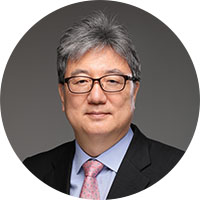 Dr. Chee Hark Harn is the CEO of Biotech Crop Consulting Co., having retired from his position as Senior Managing Director of the Seed R&BD Division at ToolGen Inc. in 2025. Since 2018, ToolGen Inc. has been developing new genetic resources and seeds using CRISPR/Cas9 technology. For his B.S., Dr. Harn majored in biology at Chung-Ang University in Korea. He then moved to the USA, where he earned an M.S. from Oregon State University and a Ph.D. from Rutgers University. As a graduate student, he built up his science background in genetics, biochemistry, and plant molecular biology. For his postdoc training, he worked on plant biotechnology, focusing on starch and sucrose biosynthesis’s metabolic engineering. He went back to Korea in 1996 and worked at the Korea Research Institute of Bioscience and Biotechnology (KRIBB) as a research scientist for three years. He then moved to Nongwoo Bio Co., a seed company, where he served as a project leader, director of the Biotechnology Institute, and director of the R&D Headquarter.
Dr. Harn has served in several universities as an adjunct professor and academic societies as a president (Korean Society of Plant Biotechnology and Korean Society for Horticultural Science) during the last 20 years. He has also served as a committee member for many government-organized meetings, including the National Science & Technology Council, Korea
Dr. Donghern Kim
Vice President, Future Food Resources Forum, South Korea
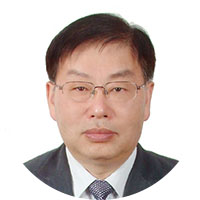 Dr. Donghern Kim worked with the Rural Development Administration (RDA) under the Ministry of Agriculture in Korea for 25 years in differing capacities. He held various positions at RDA, including director of the Crop Genomics Division, Crop Genetic Engineering Division, Biosafety Division, and Bio-Resources Management Division before retiring. He is an expert on GM technology and has extensive knowledge on the regulation of GMOs and GE crops in Korea. As the head of the Biosafety Division, Dr. Kim established the methodology of GMO risk assessment to comply with national GM crop regulatory rules. As the Director General of the Department of Agricultural Biotechnology, he oversaw RDA’s R&D projects, as well as the national programs for agricultural biotechnology.
He has a Ph.D. from the University of Michigan and currently serves as the CEO of Mediprogen, a plant biotech company that uses soybean seeds as a platform for the production of valuable biopharmaceuticals and biosimilars. Since 2019, he has been serving as Vice-President of the Future Food Resources Forum, a non-profit advocating innovative technologies in agriculture, such as genetic engineering and gene editing.
Dr. Sungho (Sean) Kim
Country Manager, CropLife Asia Korea, South Korea
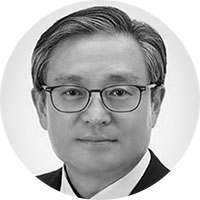 Dr. Sungho (Sean) Kim has led CropLife Asia Korea since 2022, advancing biotechnology with more than 30 years of experience in pharmaceutical policy, regulation, market access, and business development.
Prof. Wayne Parrott
Director, Institute of Plant Breeding, Genetics & Genomics, University of Georgia, USA
 Dr. Wayne Parrott received a B.S. in Agronomy from the University of Kentucky and M.S. and Ph.D. degrees in Plant Breeding and Plant Genetics from the University of Wisconsin. He is now a Distinguished Research Professor in the Department of Crop and Soil Sciences at the University of Georgia, and is currently serving as Director of its Institute of Plant Breeding, Genetics & Genomics. At Georgia, he has been conducting research on the development, use, and safety of transgenic and edited crops. He is engaged in training graduate students and postdoctoral fellows and teaches graduate-level courses in plant genetics. He has published over 130 refereed journal articles. Dr. Parrott has worked extensively to inform public policy on modern genetic approaches toward improving agriculture, has served on task forces that developed best practices for GMO food and feed safety evaluation, and has published a guide for environmental risk assessment of GMOs.
Dr. Bhavneet Bajaj, PMP
Senior Manager, Scientific Programs, Agriculture & Food Systems Institute (AFSI), USA
 Dr. Bhavneet Bajaj is an experienced scientist working at the intersection of science and policy at the Agriculture & Food Systems Institute (AFSI). She has led an extensive portfolio of projects on genetically modified (GM) food and feed safety assessment, environmental risk assessment, agricultural biotechnology, and is the lead for implementing technical programs for the United States government for the APEC High Level Policy Dialogue on Agricultural Biotechnology (APEC HLPDAB).
In her current position as Senior Manager, Scientific Programs, Dr. Bajaj has led international training workshops for risk assessors and regulators in South and Southeast Asia, including projects in South Asia for regulatory harmonization of safety assessment of GM foods and supporting an enabling environment for genome editing in Bangladesh and the Republic of Korea. She serves as part of AFSI’s delegation to OECD’s Working Party on Harmonisation of Regulatory Oversight in Biotechnology and the Working Party on the Safety of Novel Foods and Feeds. She is the curator and administrator of AFSI’s highly acclaimed Crop Composition Database (CCDB).
She has expertise working as a developer, utilizing biotechnology for the creation of improved plant varieties at (the then) DuPont Agricultural Biotechnology. Her research includes expression analysis of tomato carotenoid biosynthesis at the USDA Agricultural Research Service and metabolic profiling of secondary metabolites in medicinal plants at the Institute for Biotechnology Research, University of Maryland. Dr. Bajaj is a certified Project Management Professional by the Project Management Institute.
Prof. Sunghwa Choe
Professor, Seoul National University and Chief Executive Officer, G+FLAS Life Sciences, Inc., South Korea
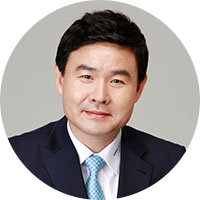 Dr. Sunghwa Choe is a Professor at Seoul National University, South Korea, and CEO of G+FLAS Life Sciences, Inc., a CRISPR-Cas genome editing company. He earned his Ph.D. from the University of Arizona in December 1997 and worked as a research scientist at Ceres, Inc., a California-based plant biotech company, before joining Seoul National University in 2001. Dr. Choe focuses on enhancing CRISPR-Cas genome editing tools and applying them to develop new traits in crops and human therapeutics. He recently deleted nine genes involved in plant protein glycosylation pathways to produce plant-derived pharmaceuticals more safely and sustainably. Dr. Choe also knocked out a tomato SlDWF5A gene to create a Provitamin D3 tomato. His career goal is to develop nutritionally enriched foods resilient to climate challenges.
Dr. William K. Hallman
Distinguished Professor, Department of Human Ecology, Rutgers University, USA
 Dr. William K. Hallman is a Distinguished Professor in the Department of Human Ecology at Rutgers University. An experimental psychologist specializing in risk perception and science communication, he has published over 250 peer-reviewed works on food, health, technology, and the environment, including studies of consumer attitudes toward genetic engineering, gene editing, gene drives, nanotechnology, animal cloning, aquaculture, and cell-cultured proteins. He is a Fellow of the American Association for the Advancement of Science and of the Society for Risk Analysis, and has served as Chair of the Department of Human Ecology, Director of the Rutgers Food Policy Institute, Chair of the US Food and Drug Administration’s Risk Communication Advisory Committee, and as a co-chair and member of several committees of the National Academies of Sciences, Engineering, and Medicine. He has also advised international governmental organizations, consulted for private companies, and served as an expert witness in litigation.
Dr. Sunghyun Hong
Chief Research Officer and R&D Director, GreenGene, Inc., South Korea
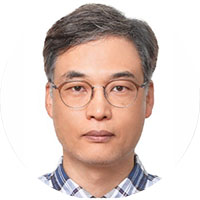 Dr. Sunghyun Hong is the Chief Research Officer and R&D Director at GreenGene, Inc., where he has led research and development since September 2022. He earned his B.S. in Biology and both his M.S. and Ph.D. in Plant Molecular Genetics from POSTECH, completing his doctorate in 2008 under the guidance of Prof. Hong Gil Nam. He then pursued postdoctoral research at Dartmouth College’s Department of Biological Sciences from 2008 to 2013, working with Prof. C. Robertson McClung. Prior to joining GreenGene, Dr. Hong spent nearly a decade at the Institute for Basic Science (IBS), serving as Section Leader at the Center for Plant Aging Research (2013–2021) and later as a Researcher at the Center for Genome Engineering (2021–2022). His research spans plant circadian biology, leaf senescence, and genome editing, including precision base-editing approaches for plastid DNA. He has authored 21 peer-reviewed publications in journals, such as Nature Plants, Cell, and PNAS, and has presented his work at numerous international conferences.
Dr. Jennifer Jaqueth
Program Leader, Corn Disease Resistance Traits, Corteva Agriscience™, USA
 Dr. Jen Jaqueth is the Program Leader for Corn Disease Resistance Traits at Corteva Agriscience™, specializing in discovering disease resistance genes in corn and advancing trait deployment through genome editing. She earned both her M.S. and Ph.D. in Genetics and Genomics from Iowa State University. At Corteva, Jen has built expertise across trait integration, gene discovery, and genome editing for disease resistance and agronomic traits. Over the past five years, she has played a pivotal role in creating Multi-Disease Resistant (MDR) corn using a Disease Super Locus (DSL) trait, an innovative strategy that combines and relocates native resistance genes into a single genomic region. By consolidating diverse resistance genes into one locus, this first-of-its-kind technology sets a new benchmark for durable crop protection and sustainable trait deployment.
Dr. Hyuk-hoon Jung
Editor and Agriculture Correspondent, Maeil Business Newspaper, South Korea
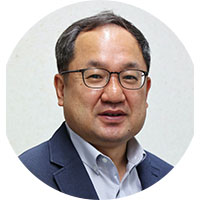 Dr. Hyuk-hoon Jung is an editor and agriculture correspondent at Maeil Business Newspaper in South Korea, where he has worked since 1995. His reporting centers on advanced agriculture using digital technology — including smart agriculture and agricultural innovation — alongside startups in the food and agriculture sector. He has served as the newspaper’s Beijing correspondent and as head of its English news, financial, and economic departments, and he operates the AgTech Innovation Center as an independent institution, organizing forums, symposiums, and educational programs. His books include Agriculture Becomes a Trend, Mekong River Silk Road, and The Inner Workings of a Great Power, China. He majored in International Economics at Seoul National University and received his Ph.D. from Konkuk University in 2024, with a dissertation on the digital divide among farmers and policy recommendations.
Dr. Jongmi Kim
Former Director, Korea Institute of Public Management, South Korea
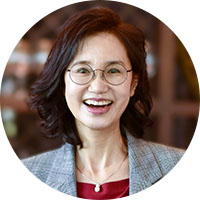 Dr. Jongmi Kim is an expert in regulatory policy and public administration whose research focuses on the social acceptance and governance of biotechnology. She served as Director of the Korea Institute of Public Management from 2016 until February 2026, and previously as Deputy Director of the Korea Social Science Data Center. From 2021 to 2024, she was an advisory committee member of the National Institute of Agricultural Sciences. Her recent research examines public attitudes toward government regulation of emerging technologies, collaborative governance frameworks for biotechnology policy, and the role of citizen participation and value systems in shaping the social acceptance of genetic engineering. She is the author of Asking Consumers about Green-Bio (Hanlim Press, 2019). Dr. Kim has lectured at Chung-Ang, Sangmyung, and Chungbuk National Universities, and holds a Ph.D. in regulatory policy and an M.A. in personnel administration from Chung-Ang University.
Dr. Myung-Ja Kim
Advisor, Presidential Committee on National Cohesion, and Former Minister of Environment, South Korea
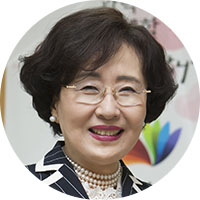 Dr. Kim Myung-Ja is currently Advisor to the Presidential Committee on National Cohesion, President Emeritus of the Korean Federation of Science and Technology Societies (KOFST), President Emeritus of the Korea Business Council for Sustainable Development (KBCSD), and Chairperson of Nuri Convergence Forum.
Until recently, Dr. Kim served as Chair of KAIST (Korea Advanced Institute of Science and Technology), Chair of the Korean Academy of Environmental Science (KAES), International Advisory Panel (IAP) of the Asian Infrastructure Investment Bank (AIIB) based in Beijing, Chair of the Board of Directors of the Hyosung Group, and Chair of the Seoul Forum for International Affairs.
From 1999 to 2003, she served the country as Minister of Environment under President Kim Dae-jung’s administration, becoming the longest-serving female minister in the Republic of Korea and receiving the Presidential Award for Excellence in Government Administration Performance for two consecutive years (2001-2002).
From 2004-08, as a Member of the National Assembly (2004-08), she was elected Chair of the Ethics Committee, Vice-Chair of the Defense Committee, Advisor to the Korea-Japan Parliamentarian Union, a member of the Korea-U.S. Congressional Diplomatic Council (2004-08), and many other positions.
Dr. Kim graduated from Seoul National University (1966) and received her Ph. D. in Chemistry from the University of Virginia (1971). She then served for a three-decade academic career at Sook-Myung Women’s University, Myong-Ji University as Chair Professor, Seoul National University as Visiting CEO Professor, and KAIST as Visiting Distinguished Professor, teaching chemistry, the history of science, and environmental and science policy.
Dr. Kim was designated a National Merit Scholar in Science and Technology (2020) and awarded the Presidential High Decoration of Chang-jo-Jang in Science and Technology (2015), the Blue Stripes Order of Service Merit (2004), the Presidential Award for the Advancement of Science and Technology (1994), among other honors.
Dr. Kim’s 20-plus scientific publications include the Korean translation of The Structure of Scientific Revolutions (1982) by T. S. Kuhn, Science and Modern Society (1991), The Oriental and Occidental Traditions of Science and Environmental Movement (1992), Nuclear Dilemma (2011), The Spent Nuclear Fuel Dilemma (2014), Industrial Revolutions and the Modern History of World (2019; Best Science Book 2020), Pandemics and Civilization (2020; Best Science Book 2020), Nuclear Power, What are the Issues? (2023), and many others.
Dr. Seongyun Kim
Policy Team Manager, Korea Biosafety Clearing House, Korea Research Institute of Bioscience and Biotechnology, South Korea
 Dr. Seongyun Kim is Policy Team Manager at the Korea Biosafety Clearing House (KBCH) in South Korea. KBCH is designated and entrusted by the Ministry of Trade, Industry and Energy (MOTIE) under Korea’s Act on Living Modified Organisms (LMO Act), and is operated under the Korea Research Institute of Bioscience and Biotechnology (KRIBB). Over the past 15 years, Dr. Kim has led biosafety and biosecurity governance for living modified organisms and emerging biotechnologies within government and affiliated institutions, contributing to the development of Korea’s regulatory approach and its alignment with international frameworks such as the EU’s New Genomic Techniques (NGT) regulation. He holds a Ph.D. in Administrative Law and continues to research the legal and regulatory framework governing LMOs and emerging biotechnologies, focusing on science-driven regulatory change and adaptive approaches to regulation and governance planning. At this workshop, he will present the regulatory framework and policy developments for genome-edited plants in South Korea, covering current status, future directions, and how Korea’s approach compares with regulatory developments abroad.
Dr. Hee-Jong Koh
Emeritus Professor, Seoul National University, South Korea
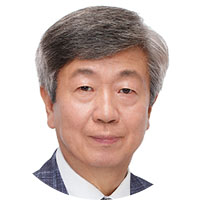 Dr. Hee-Jong Koh is Emeritus Professor at Seoul National University, where he taught Crop Breeding and Crop Evolution and conducted research in rice genetics and breeding. His work centers on molecular breeding technologies for crop improvement in Korea, and includes the development of 21 rice varieties registered in the National List of the Korea Seed & Variety Service and the publication of approximately 200 scientific papers. He served as President of the Korean Society of Breeding Science and as Director of the Plant Molecular Breeding Center. He is a member of the National Academy of Sciences, Republic of Korea, and serves as President of the Korean Society for Seed Science & Industry. He authored Current Technologies in Plant Molecular Breeding (Springer, 2015), along with several textbooks.
Dr. Duckhwan Lee
Emeritus Professor of Chemistry and Science Communication, Sogang University, South Korea
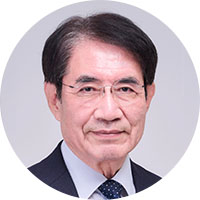 Dr. Duckhwan Lee majored in chemistry at Seoul National University and Cornell University and worked as a Research Associate in the Department of Chemistry at Princeton University. He joined the Department of Chemistry at Sogang University in 1985 and retired in 2019. He taught physical chemistry and ran a graduate-level science communication program for more than 20 years. He served as President of the Korean Chemical Society in 2012 and as Chair of the International Steering Committee of the International Chemistry Olympiad from 2008 to 2011. He has published over 3,400 newspaper columns and academic papers on various social issues regarding science and technology, education, energy, environment, and safety. He has translated more than 30 popular science books, including A Short History of Nearly Everything by Bill Bryson, and authored many books including Duckhwan’s World of Science.
Dr. Martin Lema
Adjunct Professor, Department of Science and Technology, National University of Quilmes, Argentina
 Dr. Martin Lema is an Adjunct Professor at the Biotechnology School of the National University of Quilmes, Argentina, with 25 years of academic experience and over 40 publications. He also served 15 years as a policymaker in agricultural biotechnology, including as a former Director of Biotechnology for his government and country delegate to the CBD, Cartagena Protocol, WTO, OECD, and FAO. Dr. Lema has acted as Chair of Argentina’s National Biosafety Commission. Among other achievements, he led this Commission to become an FAO Center of Reference for GMO Biosafety, and to issue the first ad hoc regulation for gene editing applied to agriculture in the world. He is still called upon to provide advice to national authorities and intergovernmental organizations about biotechnology policies in general and regarding gene editing regulation in particular.
Dr. Donald J. MacKenzie
Managing Director, Wolf Crooks LLC, USA
 Dr. Donald MacKenzie is a globally recognized leader in agricultural development with a focus on applying agricultural technologies to improve underutilized food security species. Most recently serving as Executive Director of the Institute for International Crop Improvement at the Donald Danforth Plant Science Center until January 2026, Don’s deep expertise in crop biotechnology in both the lab and field, regulatory science and policy, seed systems and technical capacity building has translated cutting-edge plant science into real-world impact. His work has improved staple crops like cowpea, teff, cassava and chickpea to enhance nutrition, disease resistance, and climate resilience for smallholder farmers in low- and middle-income countries. He played a critical role in guiding innovations such as vitamin A-enriched Golden Rice, insect-resistant cowpea, and virus-resistant cassava through complex regulatory systems in the Philippines (Golden Rice), Nigeria and Ghana (cowpea), and Kenya (cassava), ensuring that scientific breakthroughs can reach farmers and markets safely and effectively.
Distinguished by his ability to bridge science, policy, and practice, Don has built strong international partnerships across sub-Saharan Africa and South Asia, working closely with in-country partners particularly in national agricultural research organizations, to deliver locally relevant, scalable solutions that strengthen farmer livelihoods, improve nutrition, and support sustainable food systems. Don’s contributions to international agriculture have been recognized by the World Food Prize Foundation through his selection as a 2026 Top Agri-food Pioneer.
Ms. Jiwon Park
Team Leader, Foreign Agricultural Outlook, Korea Rural Economic Institute, South Korea
 Ms. Jiwon Park is the Team Leader of the Foreign Agricultural Outlook Team at the Agricultural Outlook Center within the Korea Rural Economic Institute (KREI), a premier government-funded research institute in South Korea. With an academic background in Agricultural Economics, Ms. Park has been analyzing agricultural commodity supply, demand, and price dynamics at the AOC since 2014. Currently, Ms. Park oversees comprehensive market analysis and price forecasting for major grains—including wheat, corn, soybeans, and rice—while closely monitoring Korea’s grain import trends and food security conditions. For more than five years, Ms. Park has played a leading role in the regular publication of monthly grain market outlook reports and conducted extensive policy and market studies on Korea’s grain industry structure and import dynamics to support evidence-based agricultural decision-making.
Dr. Matthew G. Pence
Regulatory Manager, Simplot Plant Sciences, J.R. Simplot Company, USA
 Dr. Matthew G. Pence has a Ph.D. in Biochemistry and Molecular Biology from Wake Forest University, with experience in enzymology and X-ray crystallography applied to the study of carcinogen-modified DNA. He was a post-doctoral fellow at Vanderbilt University before coming to work for the Simplot Company. He has worked in the biotech industry as part of Simplot Plant Sciences for the past 14 years as a regulatory scientist, and currently as a regulatory manager. His contributions at Simplot include protein expression, purification, and assay development for the risk assessment of plant resistance proteins, event detection method development, and allergen/toxin bioinformatics. He is responsible for regulatory report writing and dossier preparation and works with regulators to obtain approvals for Simplot’s Innate® potato varieties. Regulatory experience includes submissions and approvals from USDA, FDA, and EPA in the United States and the Philippines, and submissions in Korea and China.
Ms. Rosemary Richards
Trade & Market Access, Grain Trade Australia
 Ms. Rosemary Richards is the principal of Bowman Richards & Associates, providing strategic support to the agribusiness, food and technology sectors. She brings extensive experience in project management, trade policy, and strategic development across public and private companies, industry organisations, and government. Her work spans strategic planning, market analysis, and trade policy for the grains and food industries, including leading initiatives on non-tariff trade measures, innovation and sustainability. Ms. Richards supports Grain Trade Australia on trade and market access activities. In addition, she serves as Chair of the Australian Oilseeds Federation and Sustainable Grain Australia.
Dr. Andrew F. Roberts
Chief Executive Officer, Agriculture & Food Systems Institute (AFSI), USA
 Dr. Andrew Roberts joined the Agriculture & Food Systems Institute (AFSI) in December 2009 as the Deputy Director of the Center for Environmental Risk Assessment (CERA), where he developed tools and materials for use in training and capacity building related to the problem formulation approach to environmental risk assessment and served as the coordinator for CERA’s capacity building projects under the USAID-funded South Asia Biosafety Program (SABP) and the World Bank-funded Partnership for Biosafety Risk Assessment and Regulation, in Bangladesh, Pakistan, and Vietnam. He also provided technical support for capacity building work in Brazil, India, Japan, Chile, and South Africa. In January 2015, he became the director of CERA, as well as the Center for Safety Assessment of Food and Feed (CSAFF), which worked on food and feed safety assessment for foods derived from genetically engineered plants. The two centers were later consolidated under the Research Foundation, for which he became Deputy Executive Director in January 2017. When the organization became the Agriculture & Food Systems Institute in 2020, his title shifted to Vice President – Biotechnology, and he assumed the role of Chief Executive Officer later that year.
Prior to joining AFSI, Dr. Roberts worked at the U.S. Department of Agriculture (USDA) in several different capacities, all related to the regulation of agricultural biotechnology. He began his career at USDA as an AAAS Risk Policy Fellow in the Office of Science at Biotechnology Regulatory Services (BRS), the group responsible for regulating genetically engineered plants at USDA’s Animal and Plant Health Inspection Service. After spending a year in the New Technologies office of the Foreign Agricultural Service serving as the lead for USDA’s efforts related to the Cartagena Protocol on Biosafety, he returned to BRS to serve in the International Affairs branch where he remained until joining AFSI.
Ms. Ta Thi Kieu Anh
Principal Official, Nature and Biodiversity Conservation Agency, Ministry of Agriculture and Environment, Viet Nam
 Ms. Ta Thi Kieu Anh is a Principal Official at the Nature and Biodiversity Conservation Agency of the Ministry of Agriculture and Environment in Viet Nam. She has nearly 20 years of professional experience in biosafety, spanning regulatory development, risk assessment, and policy implementation for modern biotechnology and genetically engineered organisms. She has contributed to the development and refinement of Viet Nam’s national legal and regulatory frameworks on biosafety, including the policies governing the research, testing, release, and commercialization of genetically engineered organisms, and reviews and assesses dossiers for biosafety certification against scientific standards, environmental protection requirements, and international obligations. She has served as a member of national technical and advisory committees on genetically engineered food and feed, evaluating safety assessments and providing expert recommendations to competent authorities.
Ms. Krista Thomas
Managing Director, International Grain Trade Coalition (IGTC)
 Ms. Krista Thomas is Managing Director of the International Grain Trade Coalition (IGTC), a role she assumed in June 2025. She leads the implementation of IGTC’s strategic work plan, strengthens external partnerships, and represents the voice of the global grain trade in international policy discussions.
Prior to joining IGTC, Ms. Thomas served at the Canada Grains Council (CGC), where she led the Council’s work on biotechnology, gene editing, and trade policy. In that role, she played a key part in shaping industry responses to emerging regulatory issues and strengthening Canada’s engagement in international forums. She brings deep experience in international trade policy and the global grain sector, with a track record of leadership on regulatory alignment, digital trade facilitation, and science-based approaches to agricultural innovation.
Dr. Brigitte Voigt
Policy Officer, DG SANTE Unit E3 – Biotechnology, European Commission, Belgium
 Dr. Brigitte Voigt studied law in Germany and holds a doctorate on legal aspects of plant biotechnology. She joined the European Commission in 2023, where she works on legal questions related to EU regulation of plant genome editing and genetically modified organisms.
Discover Related Events
-
 Workshop 1: Gene Edited Plants – Context and Communication for Plant Breeding Innovation
April 22, 2021
Seoul, South Korea
-
-
 Workshop 2: Gene Edited Plants – Context and Communication for Plant Breeding Innovation
July 19, 2021-July 23, 2021
Seoul, South Korea
-
-
 Workshop 3: Problem Formulation and Safety Assessment of Foods Derived from Modern Biotechnology
July 25, 2022-July 26, 2022
Seoul, South Korea
-
-
 Workshop 4: Enabling Regulatory Environment for Genome Editing in Agriculture in South Korea – Opportunities & Possibilities
December 10, 2024-December 11, 2024
Daejeon, South Korea
-